Top 10 STEM Gifts for 2026
STEM gifts continue to be some of the most popular presents for kids and teens—and for good reason. The best STEM toys don’t feel like learning. They feel like building, experimenting, solving problems, and having fun.

For 2026, STEM gifts are smarter, more creative, and more hands-on than ever. Whether you’re shopping for a birthday, holiday, or classroom reward, these picks encourage curiosity while keeping kids fully engaged.
Here are the Top 10 STEM Gifts for 2026, broken down by why they’re exciting and who they’re best for.
1. Beginner Robotics Kits


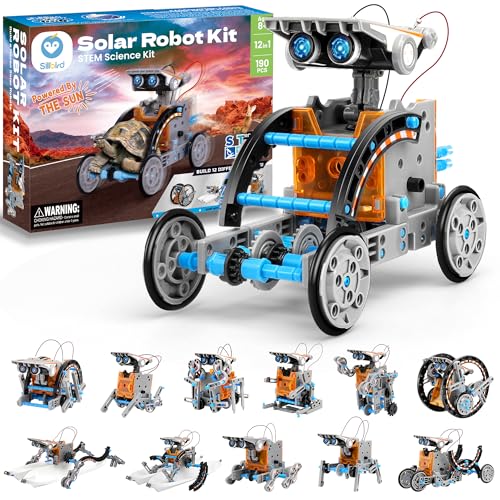
Best for: Ages 7-12
Robotics kits remain a STEM favorite in 2026, especially those designed for beginners. These kits let kids build their own robots, wire simple circuits, and program movement using drag-and-drop coding apps.
Why kids love it:
-
Seeing something they built come to life
-
Easy wins that boost confidence
-
Endless rebuild possibilities
Why parents love it:
-
Introduces engineering and logic early
-
Encourages problem-solving and persistence
2. Coding Games & Screen-Free Programming Toys

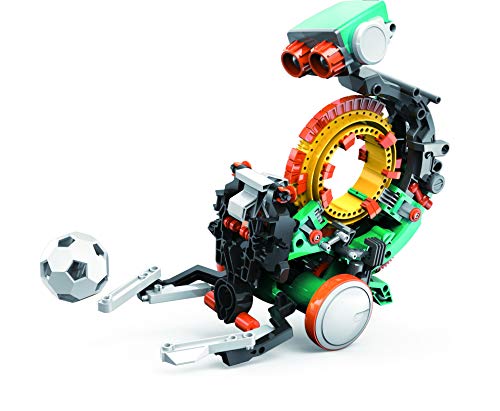
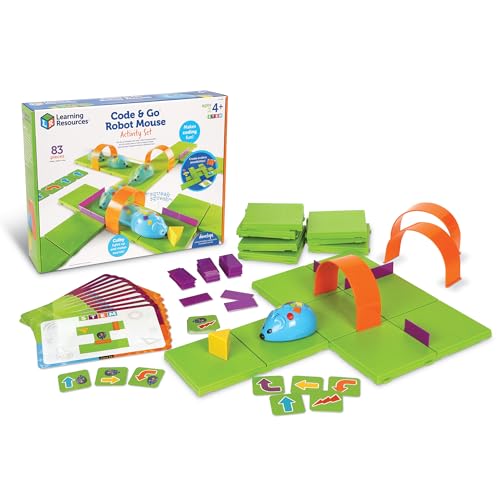
Best for: Ages 6-10
Not all coding happens on a screen anymore. Physical coding games use tiles, cards, or blocks to teach sequencing, logic, and debugging - without tablets or computers.
Why it’s hot in 2026:
-
Screen-free learning is in high demand
-
Kids learn computational thinking naturally
-
Perfect for family game nights
3. 3D Printing Pens

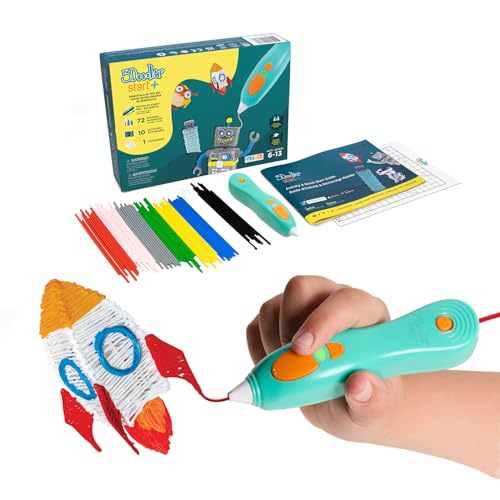

Best for: Ages 8-14
3D pens let kids draw in mid-air, turning ideas into real objects. They’re part art, part engineering, and incredibly satisfying to use.
STEM skills involved:
-
Spatial reasoning
-
Design thinking
-
Fine motor control
Bonus: Kids can create gifts, models, or decorations they’re proud to show off.
4. Science Experiment Subscription Boxes


Best for: Ages 6-13
Subscription STEM boxes keep the learning going long after the gift is opened. Each month delivers hands-on experiments like chemistry reactions, physics builds, or biology projects.
Why it’s a great gift:
-
Feels like a surprise every month
-
Encourages curiosity and questions
-
Perfect for kids who love “why?” and “how?”
5. Smart Microscopes for Kids


Best for: Ages 8-15
Modern microscopes now connect to tablets or phones, letting kids zoom in on leaves, insects, fabrics, and more - then capture photos or videos.
Why it stands out:
-
Combines biology and technology
-
Turns everyday objects into discoveries
-
Great for science projects and exploration
6. Engineering Marble Run Sets


Best for: Ages 6-12
Marble runs may look like simple toys, but they’re packed with physics lessons. Kids experiment with gravity, speed, momentum, and cause-and-effect while building increasingly complex tracks.
Why it never gets old:
-
Infinite design possibilities
-
Encourages trial and error
-
Fun solo or with friends
7. Beginner Electronics & Circuit Kits
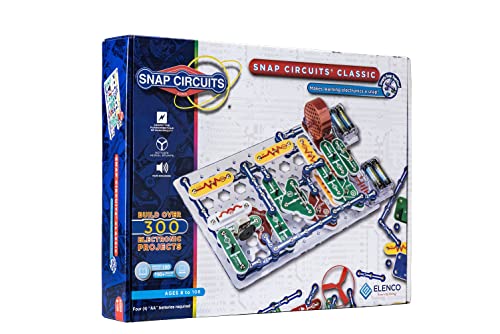
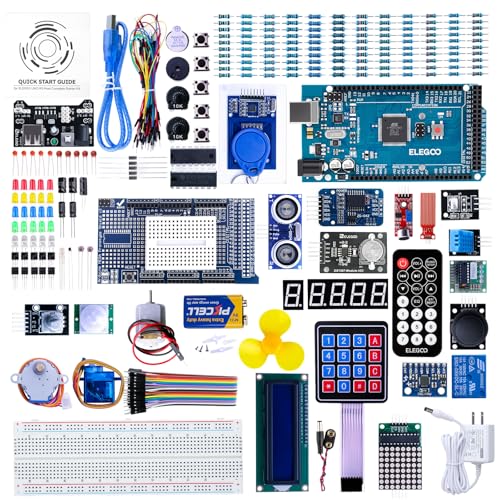
Best for: Ages 9-15
These kits teach kids how electricity works using snap-together components, LEDs, buzzers, and switches—no soldering required.
Skills learned:
-
Basic electrical engineering
-
Logical thinking
-
Understanding real-world tech
8. AI-Powered Learning Toys
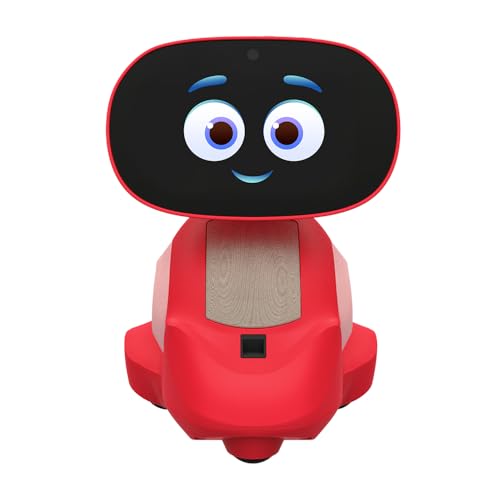


Best for: Ages 7-13
AI toys are becoming smarter in 2026. They adapt to a child’s skill level, respond to voice commands, and personalize challenges over time.
Why they’re exciting:
-
Personalized learning
-
Encourages exploration and questions
-
Introduces kids to modern technology concepts early
9. STEM Board Games


Best for: Ages 8-14
STEM board games blend strategy, math, science, and logic into competitive (and fun) gameplay.
Why families love them:
-
No batteries required
-
Encourages teamwork and critical thinking
-
Perfect for group play
10. DIY Engineering & Maker Kits

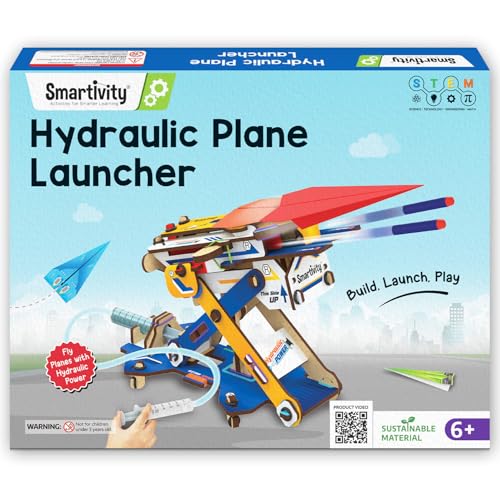
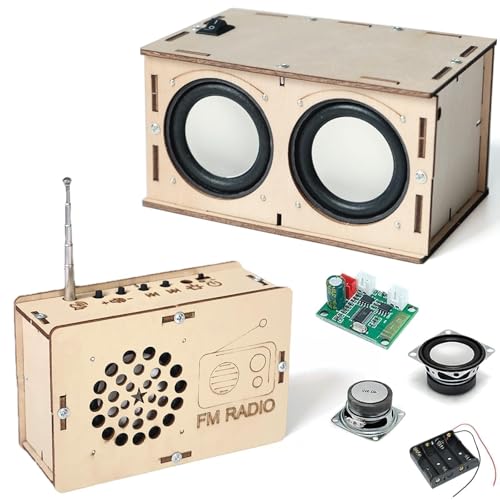
Best for: Ages 7-14
Maker kits let kids build real projects - catapults, bridges, windmills, or machines - using everyday materials and guided instructions.
Why it’s a top pick:
-
Hands-on creativity
-
Builds confidence through making
-
Encourages innovation, not memorization